What counts as railway advertising?
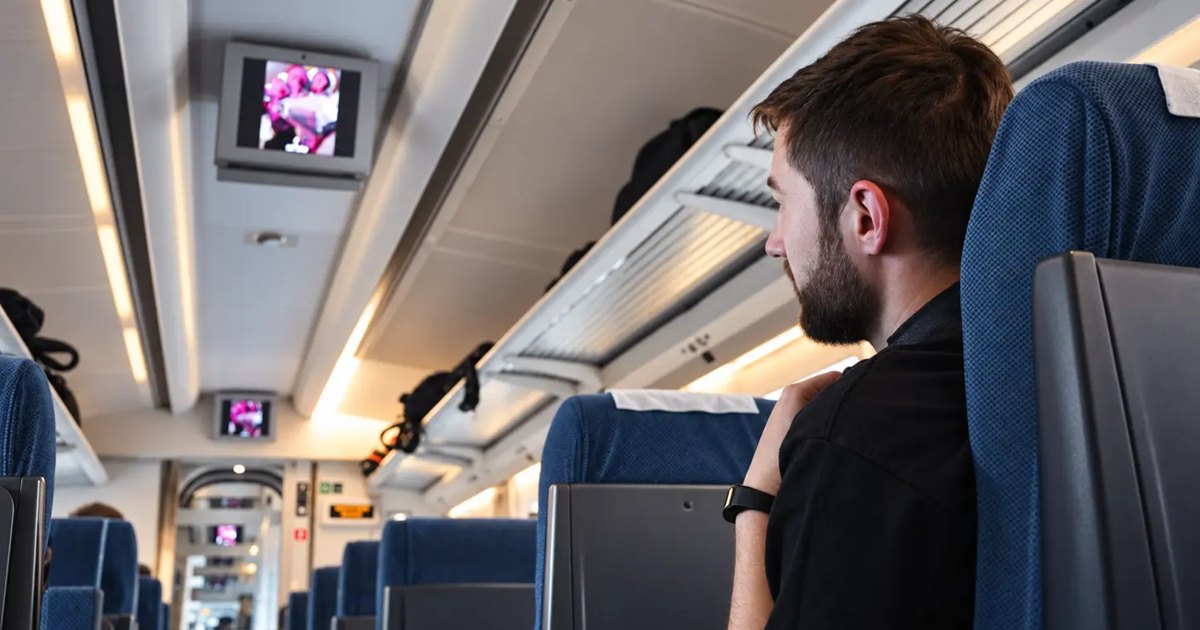
Seat-back placements, panels, video screens, window graphics, branded interior elements, brochures and promotional materials. The available mix depends on the train. Start by defining where the message should appear and what it needs to achieve.
Why trains work differently
A roadside billboard may be visible for seconds. On a train passengers settle in, use their phones, work, talk or wait for arrival while advertising stays nearby. This does not guarantee attention, but creates opportunities for repeated exposure.
Where do passengers encounter ads?
A seat-back message is directly ahead, a video appears periodically, a branded cart moves with the service and a poster occupies a particular zone. No single format is best for every situation.
Seat-back advertising
Afrosiyob uses panels; other fast trains can use stickers. The creative should be legible and understandable at a glance.
On-board screens
Video is useful for showing an app, car, destination or new product when a still image is not enough. Introduce the brand and offer early instead of trying to tell a long story.
Branding carriage elements
Afrosiyob catering carts, windows, headrests and other available elements can be considered. The brand becomes part of the carriage environment rather than just a poster.
Who can use railway advertising?
Banks can promote cards or apps, developers housing, dealers cars, hotels accommodation, telecom companies plans, and digital products can direct passengers to a site or app using QR codes. A clear message matters more than the industry.
Which objectives suit the channel?
It is useful when a new brand or product needs repeated visibility, and when the campaign relates to travel, destinations or regional mobility. A QR code, URL or concise CTA can provide a clear next step.
What tends not to work?
Avoid crowded creatives with multiple offers, phone numbers and QR codes. Do not choose Afrosiyob solely for its image: decide what passengers should remember.
One format or several?
A simple objective may need only one placement. For larger campaigns, video can introduce the product while seat-back advertising repeats the offer and QR code. Coherence matters more than the number of surfaces.
Planning a railway campaign?
Describe your product and objective. Railway Media can help select a suitable placement.
FAQ
How long do passengers see an ad?
It depends on the format. A seat-back surface may remain nearby for much of the journey, while a video appears periodically.
Which format should I choose?
There is no universal answer. Consider static placements for awareness, video for demonstration and a scannable QR code for website visits.
Can I reach regional audiences?
Yes. Rail routes connect different cities across Uzbekistan.
Read next
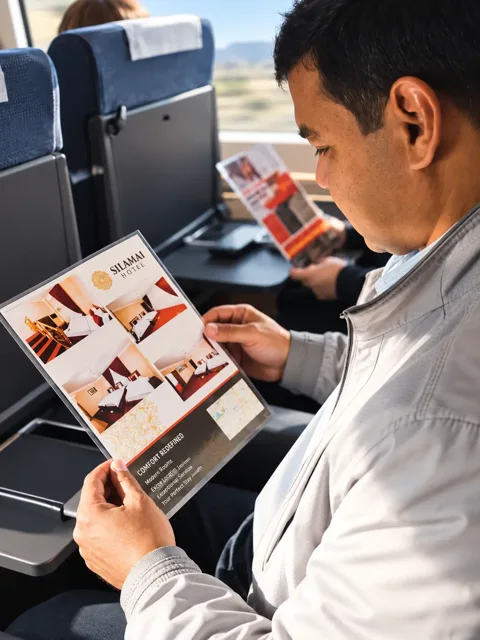
Advertising on trains in Uzbekistan: formats and opportunities for brands
Explore advertising formats on Afrosiyob, fast, branded and international trains in Uzbekistan and choose placements for your campaign.
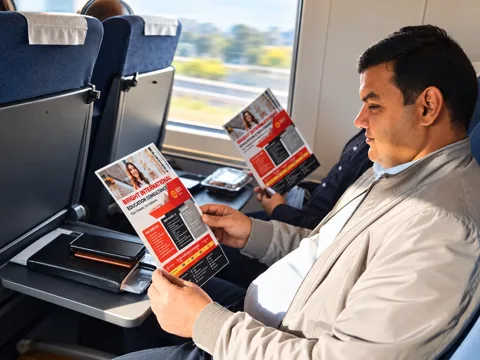
How to choose an advertising format on trains
Choose seat-back advertising, video, panels, window graphics, brochures or branding according to your campaign objective.

Who sees ads on trains? Understanding the railway passenger audience
Understand the audience on Afrosiyob, fast, branded, suburban and international trains. Plan campaigns around routes and travel context.